What Happens During a Whole-House Repipe? A Homeowner Preparation Guide
October 8, 2026
October 8, 2026
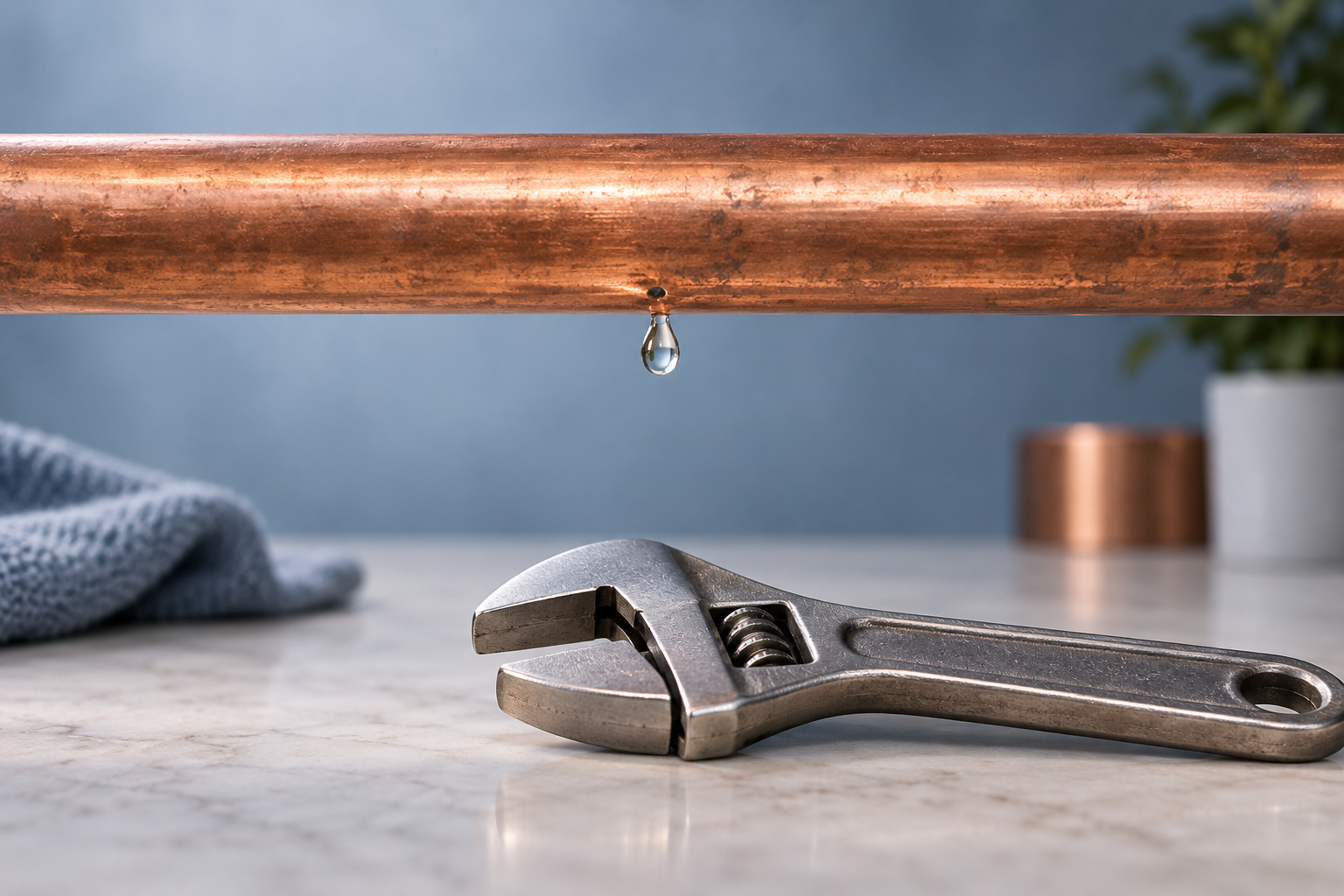
A higher water bill can come from changed use, a different billing period, a reading adjustment, or a leak. The bill is a clue, not a diagnosis. Start by comparing the amount of water used before assuming a higher dollar total means a broken pipe.
For a Maryville or Knoxville-area homeowner, a few recorded observations can help separate a billing question from a plumbing problem.
Look at the units used, the dates covered and whether the reading was actual or estimated. Consider guests, irrigation, filling a pool, or other changes during that period. Ask the water provider to explain any unclear reading or charge.
Keep a copy of the unusual bill and a comparable earlier one. A plumber can investigate plumbing, but the provider is the right source for its billing rules and meter records.
The EPA's leak-check guidance suggests comparing meter readings across two hours with no water use. A change can indicate a leak. Account for appliances or treatment equipment that may run automatically, and only read a meter you can access safely.
Do not open utility equipment or assume a moving meter identifies the location. A meter observation helps establish ongoing use; it does not tell you which pipe or fixture is responsible.
Listen for a toilet that refills between uses. Check visible faucets and accessible connections for drips. Note damp areas, staining, or a patch of ground that stays wet without an obvious reason. Photograph what you can see without opening walls or disturbing piping.
A toilet leak can be quiet. EPA recommends a dye test: add food coloring to the tank, wait ten minutes without flushing, and look for color in the bowl; flush afterward to avoid staining. If you are unsure how to do this with your fixture, ask a plumber instead.
A dry floor does not rule out concealed leakage. A wet yard does not prove the incoming line has failed. Rain, drainage and other conditions may explain visible moisture. Likewise, a high bill does not establish that the whole house needs repiping.
The next step should follow the evidence. Tell us whether the meter suggests ongoing use, whether a fixture is running, and whether there is visible damage. That helps focus the assessment.
If water is actively escaping, say so when you call and request urgent plumbing assistance. For unexplained use without an active emergency, arrange an assessment and bring the billing comparison and observations.
If a toilet appears responsible, our toilet repair service may be relevant. For a suspected hidden pipe issue, contact Platinum Plumber with your address and the signs you have noticed. We will discuss the next step without assuming a repair from the bill alone.