


What Are The Six Types Of Plumbing?
July 24, 2026
March 25, 2026
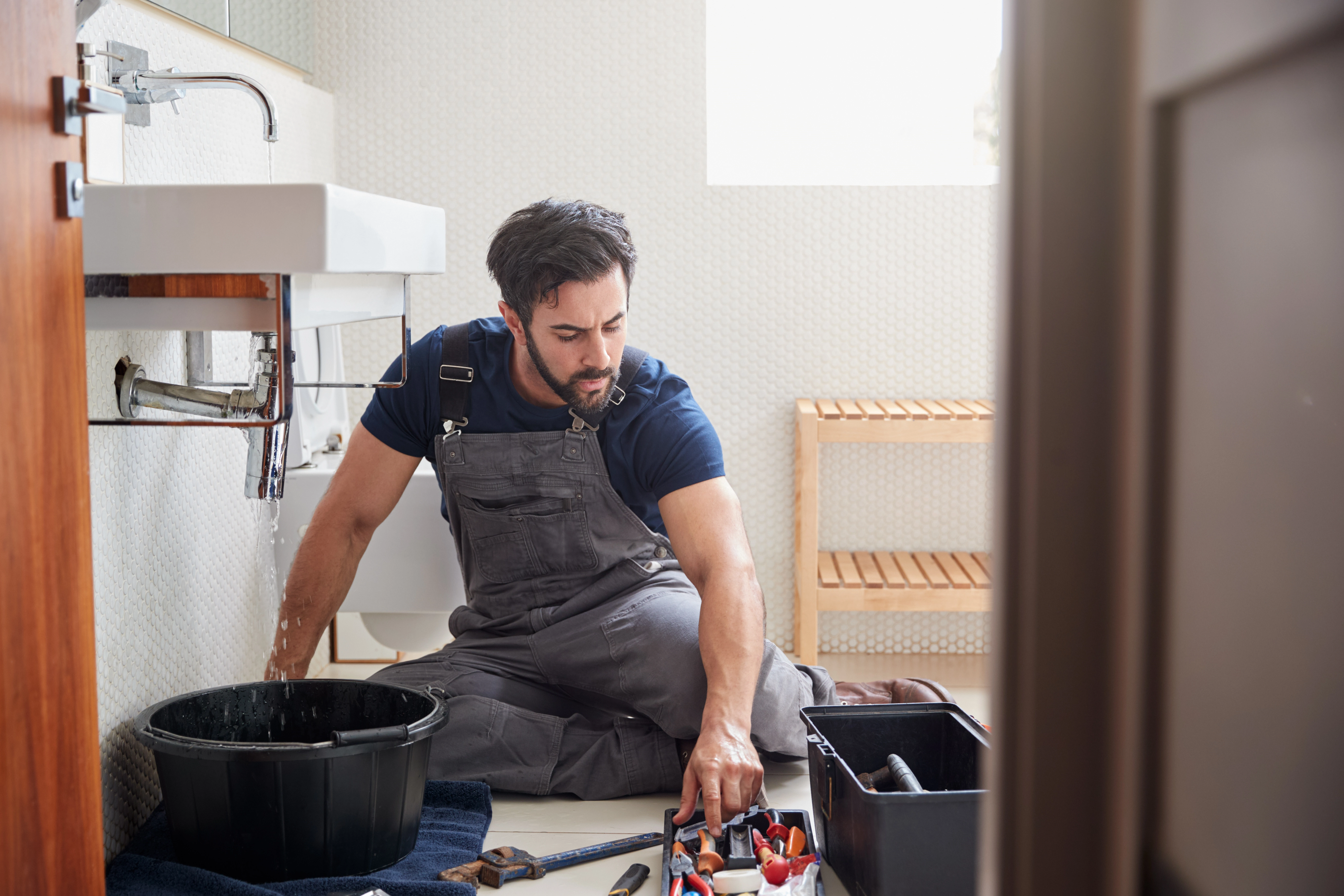
A service plumber is the plumber homeowners call when something in the home is leaking, clogged, broken, backing up, or just not working right. They diagnose problems, repair or replace plumbing parts, restore water flow or drainage, and help prevent bigger damage. Unlike new construction plumbers who mostly install systems in brand-new buildings, service plumbers work on existing homes and real-life problems like drain clogs, leaking pipes, broken water heaters, bad shutoff valves, and toilet or faucet repairs.
A service plumber works on existing plumbing systems in homes and buildings that are already built and lived in. That means instead of roughing in pipes during construction, a service plumber is the one showing up when something goes wrong or when a homeowner wants to upgrade part of the system.
In plain English, a service plumber is the person you call for the problems that actually happen in day-to-day life:
Service plumbing is problem-solving plumbing. It is hands-on, diagnostic, and usually urgent in a way that new construction work is not.
A big part of service plumbing is not just fixing what you can see. It is figuring out what is actually causing the issue.
For example:
That is why a good service plumber does more than swap parts. They inspect, test, and trace the problem so the repair solves the issue instead of just covering it up for a week.
Most service plumbers spend a lot of their time dealing with things like:
This is the kind of work that keeps a home usable and protects it from water damage.
If you want to see the kinds of plumbing issues we handle every day in Maryville and nearby areas, our services overview is a good snapshot:
https://www.theplatinumplumber.com/our-services
A lot of service plumbing is repair work, but plenty of it is also upgrades and replacements.
That can include:
So while service plumbers definitely respond to urgent calls, they also help homeowners keep older systems in shape and make smart upgrades before a small issue turns into a disaster.
One of the most common things a service plumber deals with is anything on the drainage side of the home.
That includes:
This is where experience matters. A simple clog in one fixture is one thing. Multiple drains backing up at once is a different animal entirely and can point to a main-line issue.
If the problem is on the drain side, our drain cleaning page is a good example of the type of service work a residential plumber handles:
https://www.theplatinumplumber.com/services/drain-cleaning
If your water heater stops heating, starts leaking, or is making strange noises, that usually falls under service plumbing too.
A service plumber may:
Water heater issues are one of the most common reasons homeowners call a plumber because hot water touches almost every part of daily life.
Service plumbers are also the ones who show up when something cannot wait.
Examples include:
In those situations, the goal is not just to fix the plumbing. It is to protect the home from bigger damage. That might mean shutting water off, isolating the problem, making a repair, or stabilizing the situation until a larger repair can be completed.
If that is the kind of issue a homeowner is dealing with, our emergency plumbing page shows what that side of service plumbing looks like:
https://www.theplatinumplumber.com/services/emergency-plumbing
This is where people get confused sometimes.
A new construction plumber usually works from plans. They install systems in homes or buildings before the walls are closed up.
A service plumber works in the real world of:
That takes a different kind of skill. Service plumbing is often about diagnosis, troubleshooting, and making the cleanest, smartest repair possible in an already-finished space.
A good service plumber should be able to:
For homeowners, that communication piece matters a lot. You want somebody who can tell you what failed, why it failed, what your options are, and what makes the most sense for your home and budget.
You should usually call a service plumber when you notice:
Even when it seems minor, plumbing issues have a way of getting expensive when they are ignored.
A service plumber works on existing plumbing systems in real homes with real problems. They diagnose issues, make repairs, replace worn-out parts, clear clogs, restore hot water, handle urgent leaks, and help homeowners keep their plumbing systems working safely and reliably.
In short, a service plumber is the one you call when your home’s plumbing stops doing its job.


