


What Are The Six Types Of Plumbing?
July 24, 2026
April 14, 2026
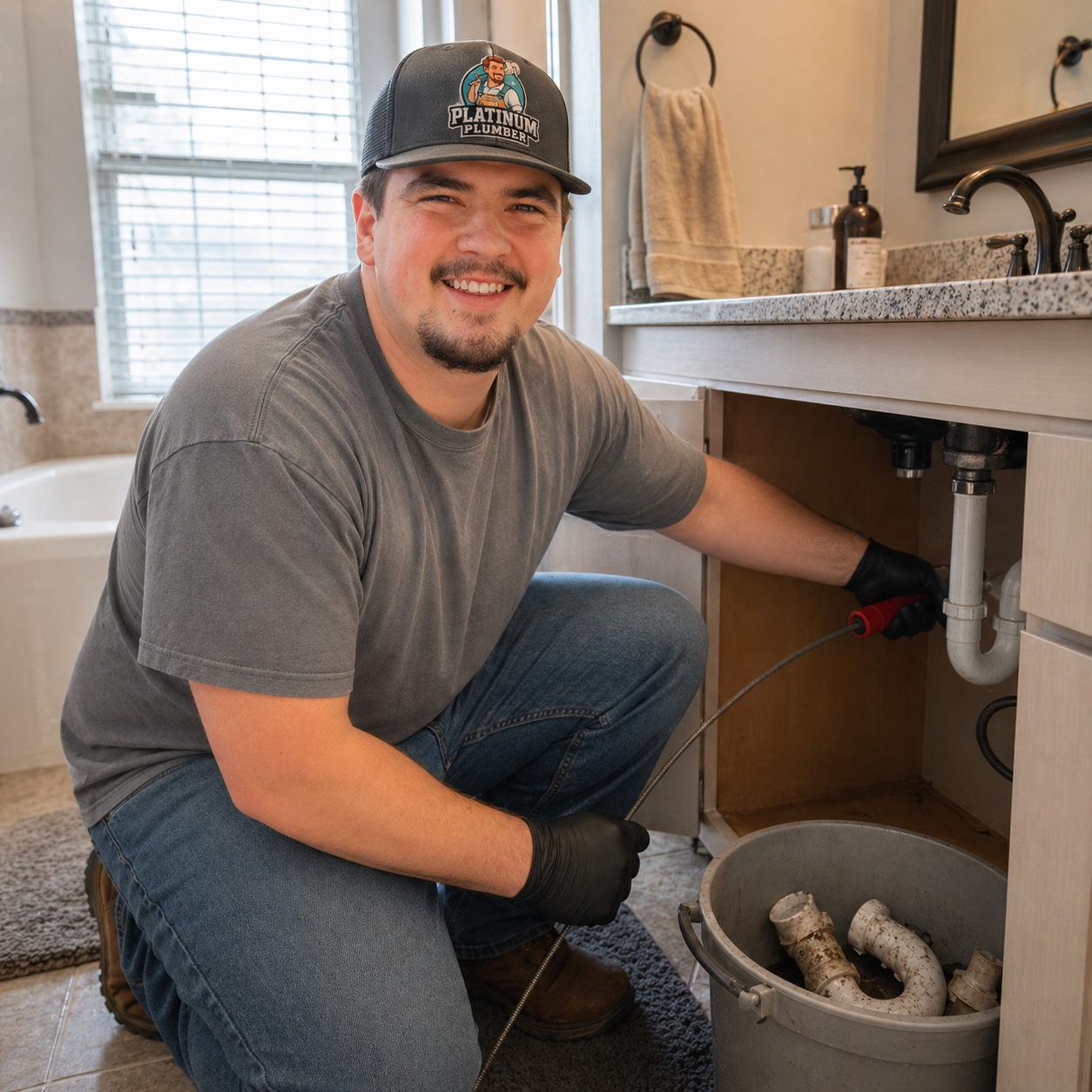
When you call a plumber to unclog a drain, you're not just paying for someone to run a snake down the pipe. You're paying for experience, the right equipment, and someone who can figure out what's actually causing the problem without making it worse.
A lot of homeowners try DIY methods first, and that's fine for hair clogs near the surface. But if the clog keeps coming back or multiple drains are backing up, that usually means the problem is deeper in the line or caused by something a plunger won't fix.
Not all clogs cost the same to fix. Where the blockage is and what's causing it makes a big difference in price.
These usually run between $100 and $200. Most kitchen clogs are grease buildup, food scraps, or something stuck in the trap. If the clog is right under the sink, it's a quick job. If it's further down the line or in a shared drain, it takes more work.
Expect to pay around $125 to $250. Hair and soap scum are the usual culprits. If the stopper assembly is part of the problem or the trap needs to be pulled, that adds a little time but not much cost.
Simple toilet clogs might only cost $100 to $150 if a plumber can clear it with an auger in a few minutes. But if something's lodged deep in the trap or the toilet needs to be pulled, you're looking at $200 to $400.
This is where costs jump. Mainline stoppages typically run $300 to $600 or more, depending on how far the clog is from the cleanout and whether tree roots, collapsed pipe, or heavy buildup is involved. If a camera inspection or hydro jetting is needed, add another $150 to $400.
Several factors push the cost up or down. Here's what actually matters when a plumber gives you a quote.
Clogs close to a drain opening or cleanout are faster and cheaper to reach. Clogs deep in the line or under a slab take more time and specialized equipment.
If you need a plumber on a Saturday night or during a holiday, expect to pay more. Emergency rates and after-hours fees can add $100 to $200 to the base price. If it's not flooding your house, waiting until normal business hours will save you money.
A simple hairball is one thing. Tree roots breaking into your sewer line is another. If the plumber finds damage, corrosion, or a bigger issue while clearing the clog, the scope of work changes and so does the cost.
You can handle some clogs yourself without spending a dime. A plunger, a zip-it tool, or pulling the P-trap under a sink works for surface-level stuff. But there are limits.
Don't keep pouring chemical drain cleaner down the line. It rarely works on tough clogs, it can damage older pipes, and it makes the job harder and more dangerous for the plumber who eventually has to deal with it.
Call a pro if:
Recurring clogs usually mean there's something going on deeper in the system. That's not a DIY fix.
If a plumber clears your drain and it clogs again a month later, that's a sign the root cause wasn't addressed. Sometimes it's how the house is being used. Sometimes it's an issue with the pipe itself.
Ask the plumber what they found. If they pulled out a bunch of grease, you know to be more careful about what goes down the kitchen sink. If they hit roots, you might need a more permanent solution like pipe replacement or regular maintenance cleanings.
For homes with older cast iron or clay sewer lines, a camera inspection can show you what's really happening underground. It's not always necessary, but if clogs are frequent, it's worth the cost to know whether you're dealing with buildup or a failing pipe.
Most plumbers charge a trip fee or minimum service call, usually between $75 and $150. That gets someone to your house to diagnose the problem. If they clear the clog during that visit, the work is typically rolled into one flat rate or hourly charge.
Some companies offer free estimates, which can help if you want a second opinion or aren't sure how serious the issue is. At Platinum Plumber, we offer drain cleaning services with transparent pricing so you know what you're paying for before we start.
Hydro jetting uses high-pressure water to blast out clogs and scrub the inside of your pipes clean. It's more expensive than snaking, but it's also more thorough.
If you have recurring grease buildup, roots, or heavy scale inside old pipes, jetting can give you a longer-lasting fix. It's also a good option before doing a camera inspection, since it clears out debris that might block the view.
Not every clog needs it. A plumber can tell you whether it makes sense based on what they're seeing and how often you've had the same problem.
Sometimes what looks like a simple clog is actually a symptom of something worse. Watch for these warning signs:
These can point to a mainline issue, and ignoring them usually makes the repair more expensive down the road.
Most homeowners will pay somewhere between $100 and $300 to get a clogged drain cleared by a professional. The final number depends on where the clog is, what's causing it, and what equipment is needed to fix it right. Simple surface clogs are cheap and fast. Mainline backups or sewer issues cost more but also prevent bigger damage. If you're dealing with the same clog over and over, it's worth spending a little more upfront to figure out why it keeps happening instead of paying for the same fix every few months.


