


What Are The Six Types Of Plumbing?
July 24, 2026
March 25, 2026
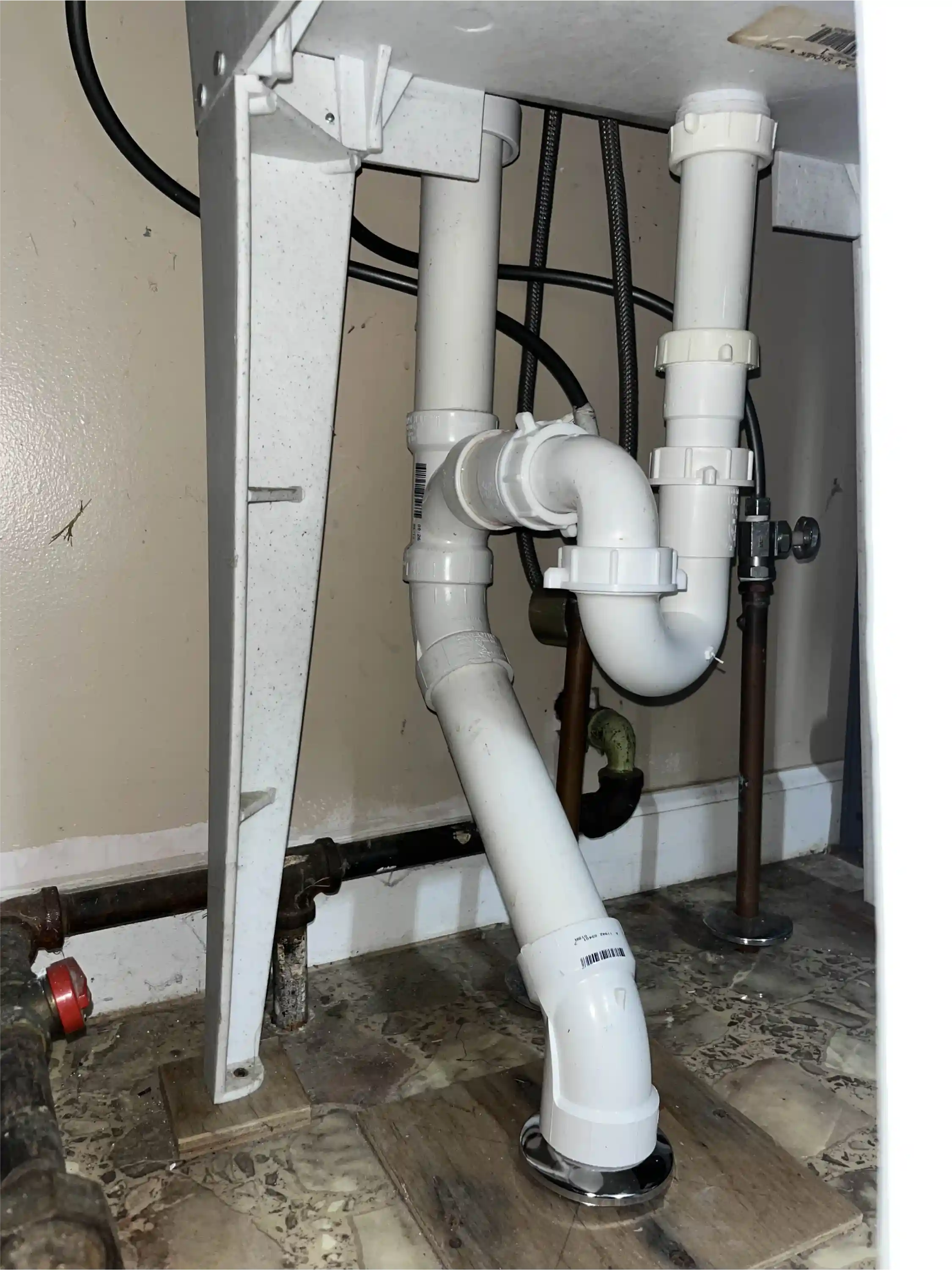
The 135 rule in plumbing usually refers to the total amount of direction change allowed in certain parts of a drain layout.
In plain English, it is a rule plumbers use when talking about how much a drain line can turn before the layout starts causing code, venting, or cleanout issues.
That is why this rule usually comes up when someone is:
It is not really a “pipe length” rule. It is much more about angles and how those angles affect drainage, venting, and future serviceability.
If you do not work with plumbing fittings every day, 135 degrees can sound more complicated than it really is.
The most common example is:
That equals 135 degrees of total change in direction.
You could also have:
That also adds up to 135 degrees.
Every bend affects how wastewater moves through the pipe.
The more turns you stack into a section of drain, the more likely you are to deal with:
That is why experienced plumbers are not just asking whether the pipe physically fits. They are also paying attention to how many turns are being added into that section of the system.
This rule exists because drain systems need to do more than just connect point A to point B.
They also need to:
Wastewater does not move as well through a run that twists and turns too much. Too many bends can make solids hang up more easily and can turn an otherwise decent layout into a repeat-clog problem.
On certain trap arms and fixture drain layouts, too much change in direction before the vent can create code and performance issues. This is one of the reasons the 135-degree conversation comes up so often around sinks, showers, and bathroom remodel work.
The other big reason plumbers care about 135 degrees is cleanout access. If a drain line changes direction too much, it may need additional cleanout access so the line can actually be serviced later without tearing things apart.
If you have ever dealt with a stubborn backup, this part matters a lot. A line that is hard to snake is a line that can turn a simple service call into a much bigger mess.
If your issue is on the drain side of the system, our drain cleaning service page gives a good overview of the kinds of clogs and drain problems we handle in Maryville and nearby areas.
Most homeowners are not thinking about aggregate direction changes until they start moving plumbing around.
You shift the vanity, and suddenly the drain has to jog around studs, cabinets, or an existing vent. A couple quick fittings can add up fast.
Shower drains are one of the easiest places to accidentally overcomplicate a run. Tight framing and offset drain locations can tempt people into stacking more bends than they should.
Toilet moves can get tricky in a hurry. The drain may “reach,” but that does not always mean it is laid out in a way that will vent and clean properly.
Any time a plumber is tying new work into old work, every angle matters more. Older homes and remodel projects are where these layout rules really start to matter.
This is true for more than plumbing, too. Any home project that gets built into the property needs proper planning before the work starts. A fence contractor has to think through layout, posts, gates, grade, and access before anything is installed. Plumbing works the same way. Once the walls, floors, or finished materials are in place, small layout mistakes become much harder to fix.
That is a big reason residential plumbing remodel work needs more than just “make it fit” logic. It needs someone who understands how the full system is going to work once the walls are closed up.
You can see the broader kinds of residential plumbing work we handle here: https://www.theplatinumplumber.com/our-services
Not exactly.
This is one of those plumbing topics where plumbers use a shorthand phrase, but the exact way it applies can vary depending on:
So the safe, useful way to understand it is this:
The 135 rule is commonly used to describe the practical limit for total direction change in certain drain sections before you need to rethink the layout, add access, or address venting differently.
That is the part a homeowner really needs to know.
If a drain line exceeds what is appropriate for that part of the system, a few problems can show up.
A layout may physically work in the short term and still get flagged during inspection if the direction changes or venting arrangement are not right.
Even if the drain seems fine today, too many bends can make future service much harder. That matters a lot when a line eventually needs to be snaked or camera-inspected.
More turns in the wrong place can make a line more prone to recurring stoppages, especially if the system already deals with hair, grease, soap buildup, or heavier waste flow.
This is the part nobody likes. If the layout is wrong behind finished walls or under a floor, fixing it later can mean opening things back up and paying to do the work twice.
If you are trying to get a rough idea of what a repair or remodel-related plumbing project might cost, you can also use our plumbing cost calculator before scheduling an estimate.
Let’s say a bathroom sink drain leaves the trap arm and then has to:
That is already 135 degrees of total change in direction.
At that point, a plumber has to think carefully about whether that layout still works for that part of the system, whether the venting is still correct, and whether the line can still be cleaned properly later.
That kind of layout thinking shows up in outdoor projects too. A pool builder has to think through equipment placement, drainage, access, and long-term service before the project is finished. Inside the home, plumbing layout follows the same basic idea: the pipe path needs to make sense before everything gets covered up.
That is why good plumbing layout is not just about connecting the pipe. It is about making sure the system performs well after the remodel is done.
The 135 rule in plumbing is usually about total change in direction, not pipe length.
Most often, plumbers are using it as a shorthand way to talk about how much a drain section can turn before the layout starts creating code, venting, or cleanout concerns. A 90 plus a 45 is the classic 135-degree example.
If you are remodeling a bathroom, moving a sink, changing a shower drain, or reworking drain piping in an older home, this is one of those details that can look minor on paper but make a big difference in how well the plumbing works long term.


