


What Are The Six Types Of Plumbing?
July 24, 2026
June 17, 2026
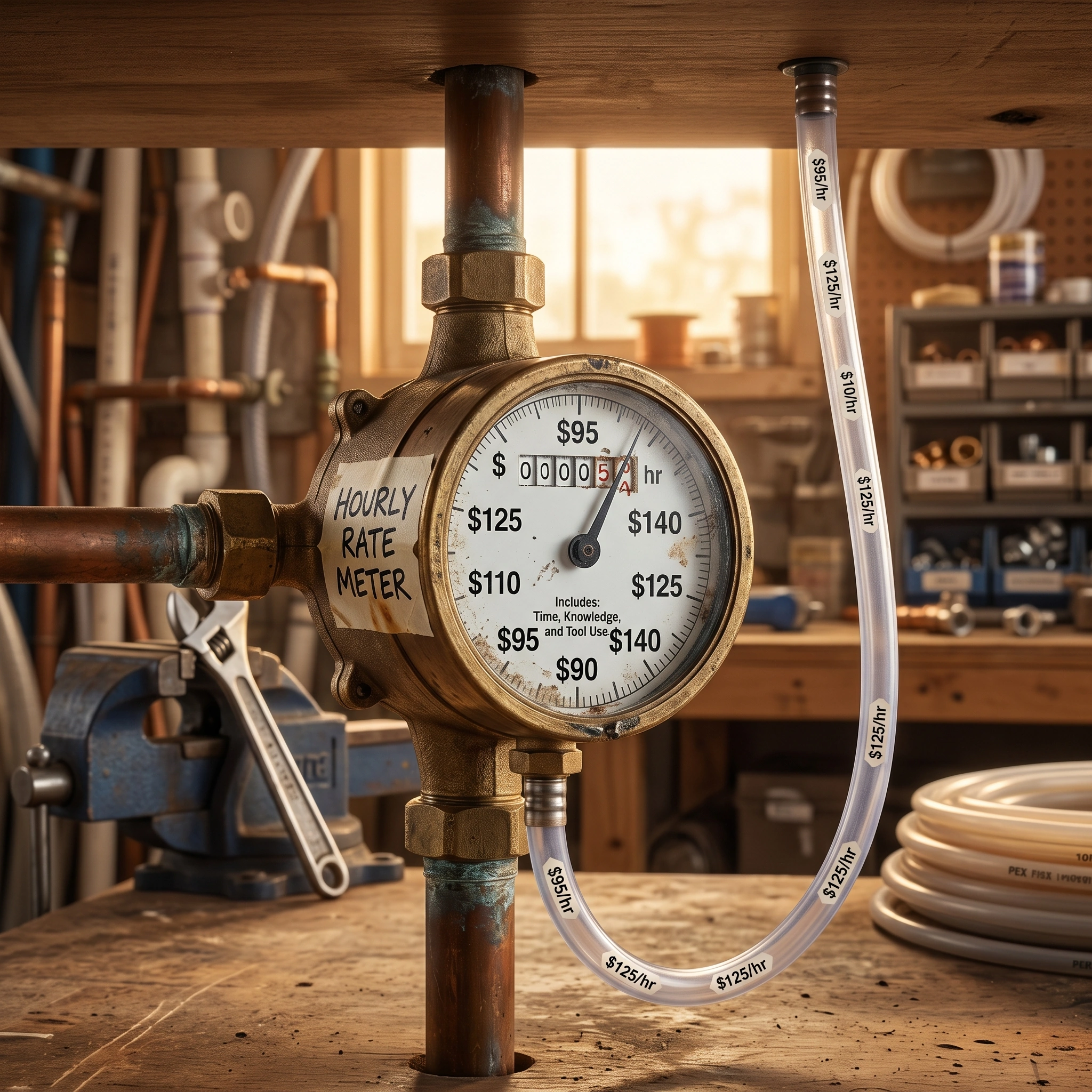
If you call a plumber in Maryville or the surrounding area, most will charge somewhere between $100 and $200 per hour for residential work. That is the typical range for licensed professionals with insurance, tools, and a service vehicle. Smaller operators or handymen might charge less, but they may not carry proper licensing or liability coverage.
Hourly rates depend on a few things:
That said, most plumbing companies have moved away from strict hourly billing because it creates uncertainty for both sides. Instead, many pros use flat-rate pricing for common jobs.
A flat-rate system means the plumber quotes a total price for the entire job before starting. For example, replacing a toilet wax ring might be $225, whether it takes 45 minutes or two hours. You know what you will pay upfront.
This pricing model is common because it protects homeowners from surprise bills and protects plumbers from losing money on difficult jobs. It also rewards efficiency. If a plumber finishes faster because they have the right tools and experience, they earn the same amount without penalizing you for speed.
Hourly rates still make sense for certain projects:
In those cases, expect an hourly rate plus a trip charge or diagnostic fee. Some plumbers will waive the trip fee if you proceed with the repair.
Emergency plumbing rates are higher because you are paying for availability outside normal business hours. After-hours, weekend, and holiday calls typically run 1.5 to 2 times the normal rate. A plumber who charges $150 per hour during the week might charge $225 to $300 per hour on Sunday night.
If your issue can wait until morning, you will save money. If your basement is flooding at midnight, the premium is worth it.
Most plumbers charge a trip fee or minimum service charge just to show up. This covers the cost of driving to your home, diagnosing the issue, and providing an estimate. In our area, trip fees usually run $75 to $150.
Some companies apply that fee to the repair if you move forward. Others charge it separately. Always ask upfront how trip fees work.
Hourly or flat-rate pricing usually covers labor only. Parts are billed separately, though some flat-rate quotes include common materials. A faucet replacement might include a standard cartridge, but if you want a specific brand or finish, that is an extra charge.
Plumbers mark up parts to cover warranty responsibility and the time spent sourcing them. Expect a 20% to 50% markup over retail, which is standard across the trades.
An unusually low hourly rate can mean a few things:
A plumber who charges $75 per hour but takes three hours to do a one-hour job costs you more than a skilled pro who charges $150 and finishes in an hour. Speed matters, but so does doing the job right the first time.
If someone shows up without a service vehicle, proper tools, or proof of insurance, that low rate is not a bargain. It is a risk. When something goes wrong, you will pay even more to fix the original problem plus the new damage.
Here are some typical costs for residential plumbing work in our area, based on flat-rate pricing:
These ranges depend on the difficulty of access, age of your plumbing, and whether any surprises come up during the work. A straightforward toilet swap in a modern home is cheaper than replacing one in a 70-year-old house with rusted bolts and a rotted subfloor.
Any reputable plumber will provide a written estimate before starting work. If they cannot give you a solid number, they should at least explain how they will bill and what factors might change the price.
At Platinum Plumber, we offer free plumbing estimates so you know what to expect before we start.
In Tennessee, plumbers must be licensed through the state or work under a licensed master plumber. Ask for proof of licensing and general liability insurance. If they cannot provide it, move on.
Insurance protects you if something goes wrong. A licensed plumber follows code and stands behind their work.
For major projects like water heater replacements or repiping, get at least two or three estimates. Compare not just the price, but what is included, the timeline, and the warranty offered.
For smaller emergency repairs, you may not have time to shop around. That is fine. Just make sure the plumber you call is licensed and upfront about pricing.
Good plumbers warranty their work. If a repair fails a week later due to faulty workmanship, they should come back and fix it at no charge. Parts warranties vary, but labor should be covered for at least 30 to 90 days.
Some pricing practices should make you pause:
Legitimate plumbers understand that you need time to consider the cost and compare options. They are confident enough in their pricing and quality to let you think it over.
Plumbers in East Tennessee typically charge $100 to $200 per hour, but many use flat-rate pricing that gives you a total cost before work begins. Rates go up for emergency calls, complex jobs, and after-hours service. The cheapest hourly rate is not always the best value. You want a licensed, insured professional who shows up with the right tools and does the job correctly the first time. Ask for a written estimate, verify licensing, and make sure labor is covered by a warranty. If you need help with a plumbing issue and want honest pricing upfront, reach out to a trusted local pro who will explain your options clearly.


