What Happens During a Whole-House Repipe? A Homeowner Preparation Guide
October 8, 2026
July 10, 2026

Most homeowners think of plumbing as just pipes under the sink. In reality, your home has six different systems working together, and when one goes wrong, it helps to know what you're dealing with.
Here's the breakdown we use when we're diagnosing a problem or planning a project at a home in Maryville or Alcoa. These systems overlap, but they each do something different.
This is the system that brings fresh water into your home. It's under pressure, which is why water flows when you turn on a faucet even if the fixture is upstairs.
If you've got a leak that's spraying, it's probably supply plumbing. These leaks can cause a lot of damage fast because the water is pressurized.
This is the system that takes dirty water and sewage away from your home. Drain lines rely on gravity, so they're sloped downward toward the sewer or septic system.
Most drain problems start small. A slow sink today can turn into a fully clogged line next week if you ignore it. If you're dealing with recurring clogs or multiple slow drains, drain cleaning can often solve it before it becomes a bigger issue.
Vent pipes let air into your drain system so water can flow smoothly. Without proper venting, drains can't work right. You'll get slow draining, gurgling, and sometimes sewer gas smells inside your home.
Vent issues are tricky because homeowners don't think about them. You can't see the pipes, and they're usually buried in walls or running up through the attic. But when a vent gets blocked by a bird's nest or collapses inside a wall, it messes up your whole drainage system.
This system handles rainwater from your roof and property. It's separate from your sanitary sewer in most areas, and it's designed to move large volumes of water away from your foundation.
In East Tennessee, we get heavy rain. If your stormwater system isn't working, you'll know pretty quickly. Water in the wrong place can crack your foundation, flood your basement, or wash out landscaping.
If your home uses natural gas or propane, you've got gas lines running through the walls and under the house. These lines supply fuel to appliances like your water heater, furnace, stove, or dryer.
Gas work is serious. It requires a licensed plumber with the right training. If you're upgrading to a tankless water heater or adding a gas stove, make sure the line is sized correctly and installed to code.
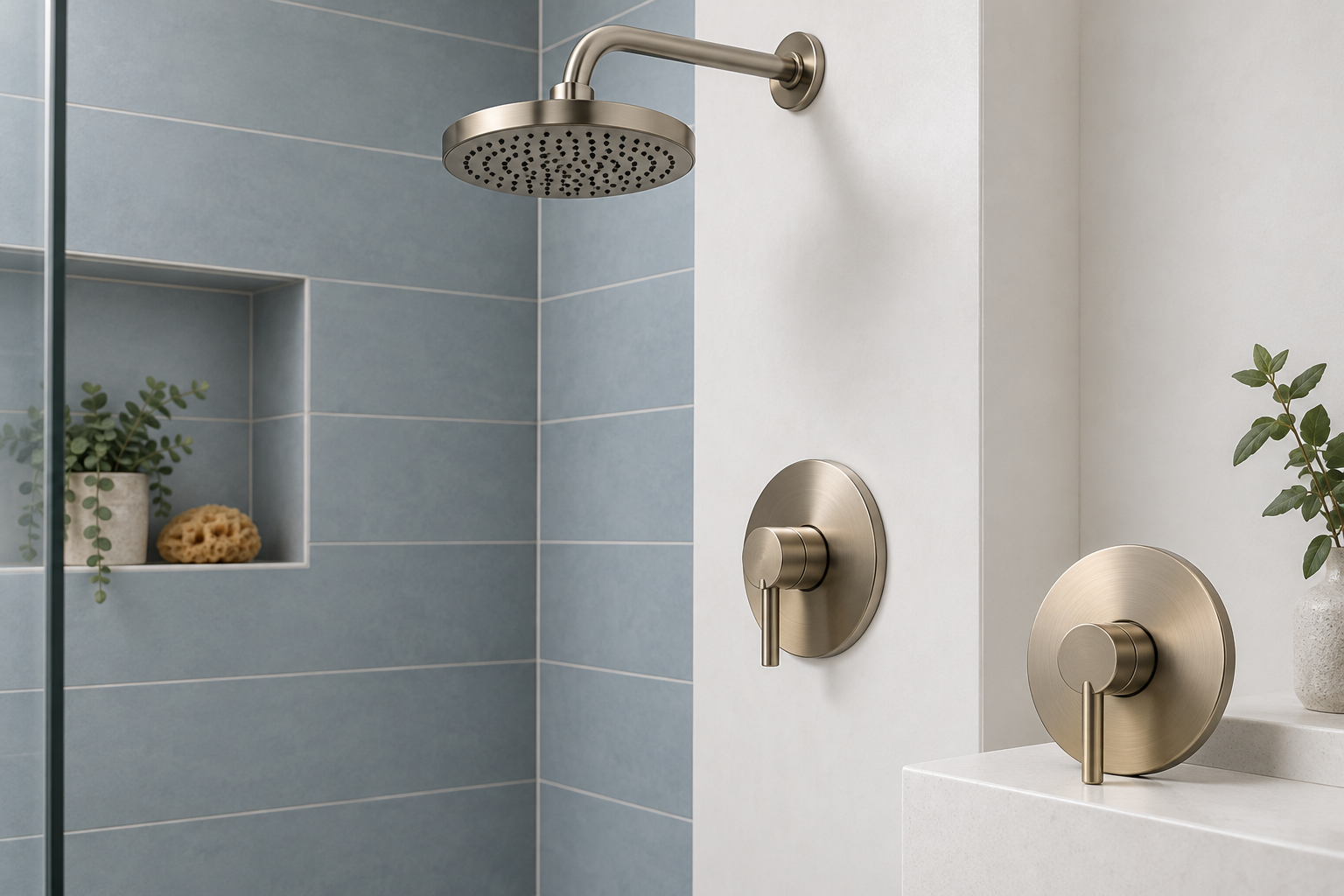
This is the part of the system you actually touch every day. Fixture plumbing connects supply and drain lines to the sinks, tubs, showers, toilets, and appliances in your home.
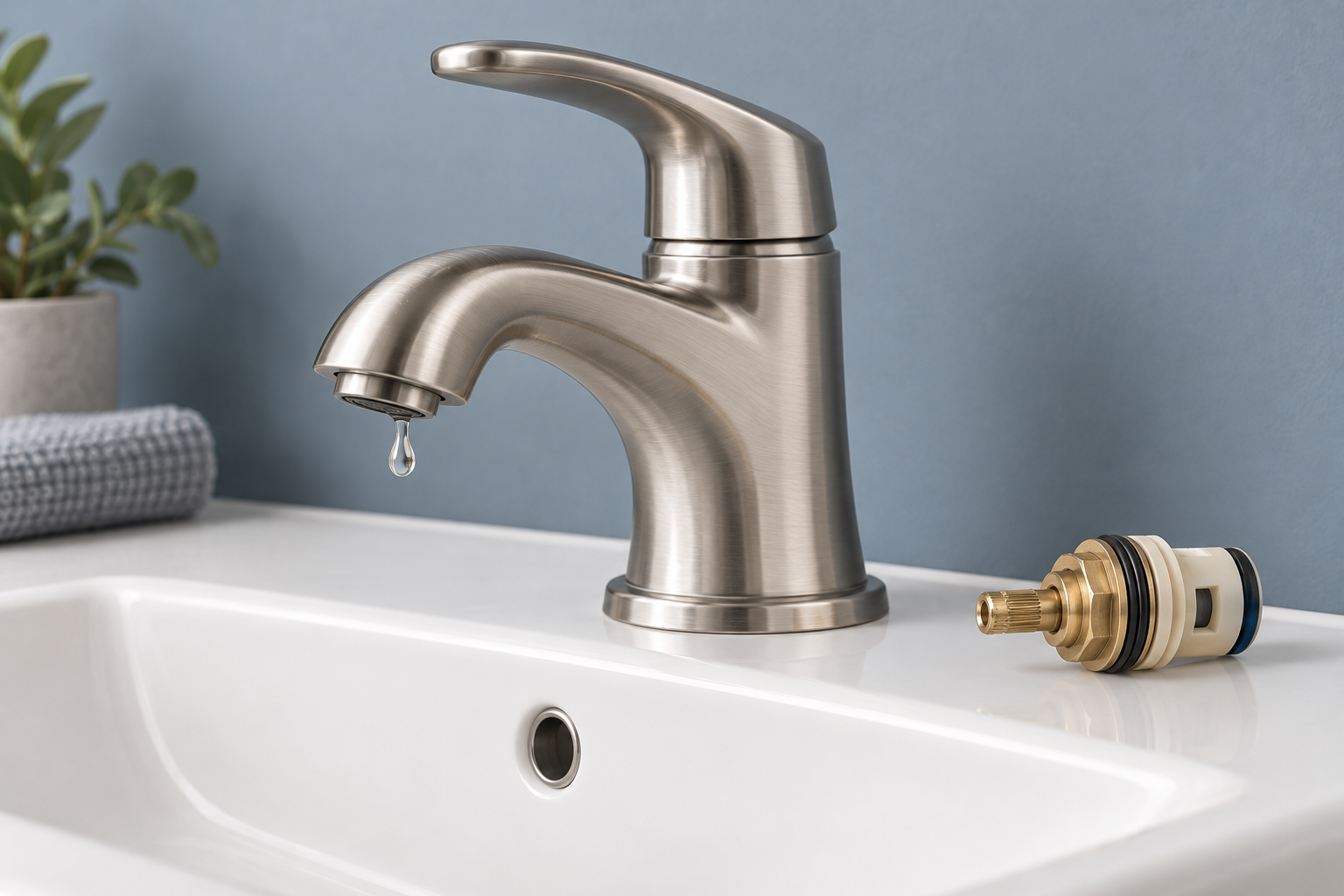
Fixture issues are what most people call us about. A leaking faucet might seem minor, but it wastes water and can damage cabinets or floors over time. If you've got a fixture that's not working right, it's usually a simple fix if you catch it early.
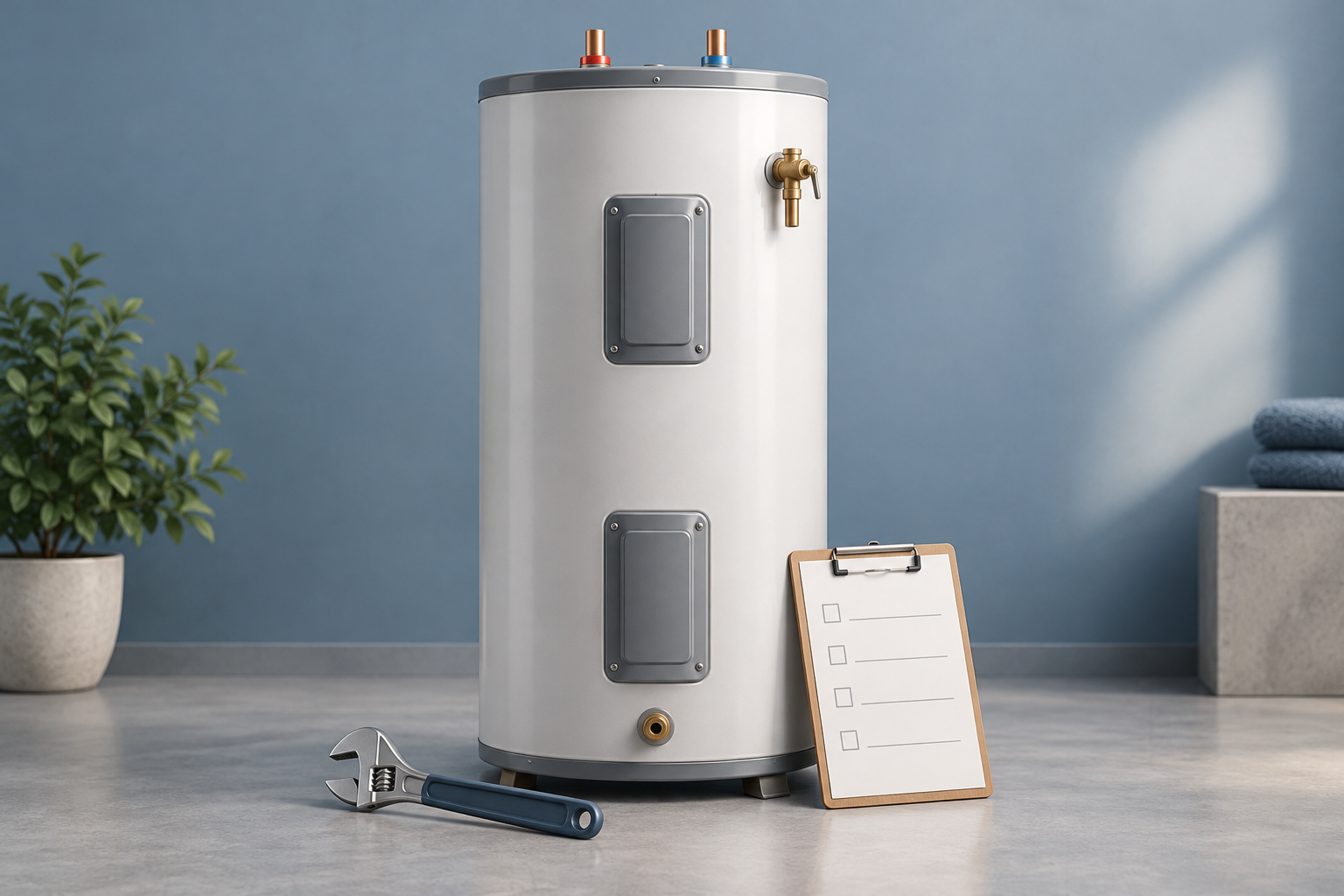
All six types of plumbing are connected. If one system fails, it can affect the others. A clogged vent can make your drains back up. A broken sump pump can flood your basement and damage supply lines. A leaking water heater can soak insulation and create mold problems.
That's why it helps to understand what's going on when something breaks. You don't need to be a plumber, but knowing the difference between a supply leak and a drain clog saves time when you're explaining the problem over the phone.
Some plumbing issues you can handle yourself. Others need a professional. Here's a quick guide.
If you're not sure whether it's a DIY job or a pro job, it's usually safer to ask. We're happy to give advice over the phone, and if it's something you can handle, we'll tell you. If you need help in the Maryville area, you can request a free estimate and we'll take a look.
Your home's plumbing isn't just one thing. It's six different systems, each with its own job. Supply plumbing brings water in. Drainage takes it out. Venting keeps things flowing. Stormwater protects your foundation. Gas lines fuel your appliances. And fixture plumbing connects it all to what you use every day.
When something goes wrong, knowing which system is involved helps you understand what's happening and what needs to be fixed. And when you need a hand, that's what we're here for.