What Happens During a Whole-House Repipe? A Homeowner Preparation Guide
October 8, 2026
July 10, 2026

People ask this question for two reasons. Either they're thinking about becoming a plumber and wondering which path to choose, or they're homeowners curious about whether their plumber could handle bigger jobs, or why commercial plumbers charge differently.
As someone who works in residential plumbing here in Maryville, I can tell you both sides have their pros and cons. Neither is better across the board. They're just different kinds of work that attract different kinds of people.
Residential plumbing means working in people's homes. You're dealing with homeowners directly, usually one-on-one, and the problems change constantly throughout the day.
Most residential jobs are smaller in scope but require you to diagnose problems quickly, often with limited access or information. You're also the face of the company. Homeowners remember you, call you back, and trust you with their biggest investment.
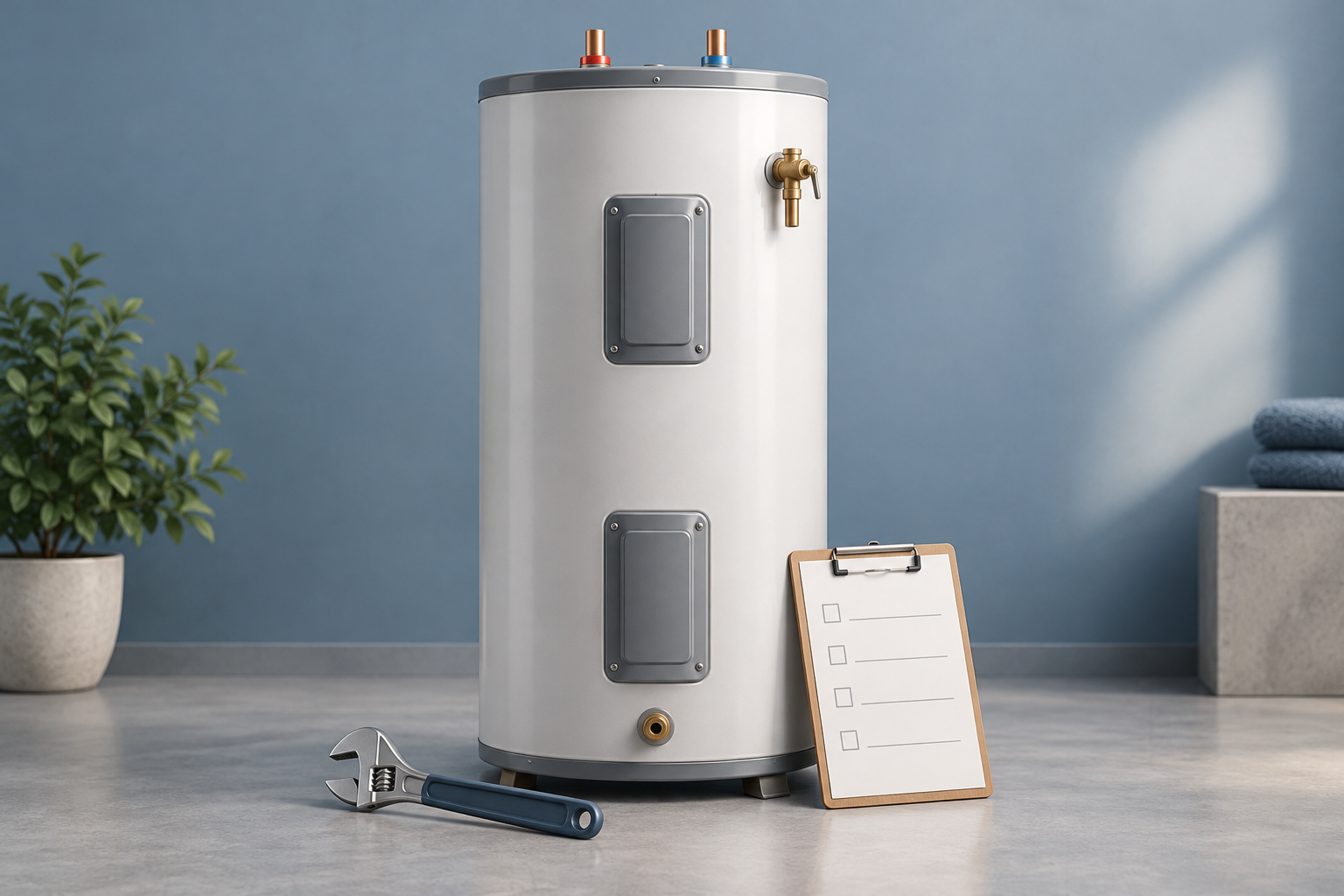
You work in crawl spaces, attics, under sinks, and in tight basements. You meet new people constantly. Some days you're replacing a water heater, other days you're snaking a drain or replumbing a bathroom. The variety keeps the work interesting, but it also means you need a broad skill set and the ability to think on your feet.
Schedules can be unpredictable. You might get an emergency call at 9 p.m. for a burst pipe. But you also get to build real relationships with customers and see the immediate impact of your work.
Commercial plumbing involves larger buildings such as offices, retail spaces, restaurants, hospitals, schools, and apartment complexes. The systems are bigger, the codes are stricter, and the projects usually take longer.
Commercial jobs are planned in advance. You're usually part of a crew, working alongside other trades like electricians, HVAC techs, and general contractors. The work is more repetitive but also more predictable.
You're often on job sites for weeks or months at a time. The work involves reading blueprints, coordinating with project managers, and following detailed specs. There's less customer interaction and more teamwork. Hours are generally steadier, often 7 a.m. to 4 p.m., Monday through Friday.
Commercial plumbers deal with larger pipes, heavier materials, and more code enforcement. Inspections are stricter. Mistakes are more expensive. But the projects are also more structured, and you're less likely to be called out for emergencies in the middle of the night.
Residential plumbing wins here. Every house is different. Every problem requires troubleshooting. You might handle five completely different jobs in a single day. Commercial work tends to be more repetitive, especially during large installation phases.
Commercial plumbing usually offers more predictable hours. You know when you start, when you finish, and weekends are often free. Residential plumbing involves more flexibility but also more after-hours emergency work. If you value steady 9-to-5 hours, commercial is the better fit. If you like flexibility and don't mind the occasional late call, residential works well.
Commercial plumbers on large union jobs or big construction projects often make more per hour, especially in metropolitan areas. Residential plumbers in established service companies can also do very well, particularly if they build a loyal customer base and handle higher-end remodels or service contracts. Pay depends more on location, experience, and employer than the type of plumbing.
Both types of plumbing are physically demanding, but in different ways. Residential plumbers crawl into tight spaces, work in awkward positions, and move water heaters up and down stairs. Commercial plumbers lift heavier pipe, work at heights on scaffolding, and spend long hours on their feet during installations. Neither is easy on the body.
Residential plumbing involves constant face-to-face customer service. You explain problems, offer options, and build trust with homeowners. If you like helping people and being the go-to expert, this is rewarding. Commercial work involves less direct customer contact and more coordination with project managers and other tradespeople.
Residential plumbing requires quick thinking and creative solutions. You diagnose issues with incomplete information and work around existing structures that weren't built to code. Commercial plumbing involves more planning and precision, following blueprints and engineering specs. Both require skill, but the problem-solving style is different.
If you like solving different problems every day, working independently, building customer relationships, and don't mind occasional emergency calls, residential plumbing is a strong fit. That's why I've stuck with it. I enjoy the variety and the direct feedback from homeowners.
If you prefer structured projects, working as part of a team, steady hours, and don't need constant variety, commercial plumbing makes more sense. It's a different rhythm, and plenty of plumbers thrive in that environment.
Some plumbers do both, working commercial jobs during the week and residential side work on weekends. Others specialize in one area and never look back.
In most cases, yes, but it depends on the scope. A residential plumber who understands code, pipe sizing, and system design can transition to smaller commercial jobs without much trouble. Larger commercial projects require additional training, familiarity with commercial codes, and often certification in areas like backflow prevention or medical gas systems.
At Platinum Plumber, we focus on residential service because that's where we can provide the most value to homeowners in and around Maryville. We know homes inside and out, and that's what we're best at. If you need residential plumbing services, we're ready to help.
Neither commercial nor residential plumbing is better. They're different careers with different demands, rewards, and work environments. Residential plumbing offers variety, customer connection, and flexibility. Commercial plumbing offers structure, teamwork, and steadier hours. The right choice depends on your personality, lifestyle, and what kind of work makes you want to show up every day.
If you're a homeowner in Maryville and you need reliable residential plumbing, that's exactly what we do. We've built our business around solving home plumbing problems quickly and right the first time.