What Happens During a Whole-House Repipe? A Homeowner Preparation Guide
October 8, 2026
July 10, 2026

Residential plumbing is the entire system that manages water inside your house. That sounds simple, but it really breaks down into a few major parts that all have to work together.
This is the network of pipes that brings clean water from your municipal supply or well into your home. These pipes are pressurized, which is how water reaches your second-floor bathroom or shoots out of your kitchen faucet. Your supply system includes:
Once you use water, it has to go somewhere. Your drain system relies on gravity and angled pipes to move wastewater out of your home and into the sewer or septic system. Key pieces include:
This is the part homeowners rarely think about, but it matters a lot. Vents allow air into your drain lines so water can flow smoothly and traps stay sealed. Without proper venting, drains gurgle, slow down, or even siphon dry. Vent pipes usually run up through your roof.
These are the visible parts you use every day:
Each one connects to both the supply and drain systems and has to be installed correctly to avoid leaks, backups, or code violations.
Your plumbing system runs on a few basic principles that keep water flowing where it should and stopping where it should not.
Water enters your home under pressure, usually between 40 and 80 psi. That pressure pushes water up to higher floors and out through your faucets. If pressure drops too low, showers turn into trickles. If it climbs too high, pipes and fixtures can leak or burst.
Drain pipes are installed at a slight downward angle so wastewater flows naturally toward your sewer or septic system. No pump required in most cases, unless you have a basement bathroom below the sewer line.
Every drain has a curved section called a P-trap that holds a small amount of water. That water acts as a seal to block sewer gases from coming into your home. Vent pipes let air in so the water in those traps does not get sucked out when you drain a sink or flush a toilet.
Most fixtures have their own shut-off valves so you can stop water to one sink or toilet without shutting down the whole house. Your main shut-off valve, usually near the water meter or where the line enters your home, stops all water flow. Knowing where that is can save your floors during a burst pipe emergency.
These are the issues that bring most homeowners to pick up the phone and call a plumber.
Hair, grease, soap scum, and things that should not be flushed build up in pipes over time. Kitchen sinks and shower drains are the usual suspects. If a plunger or drain snake does not clear it, you probably need professional drain cleaning to avoid damaging your pipes with harsh chemicals.
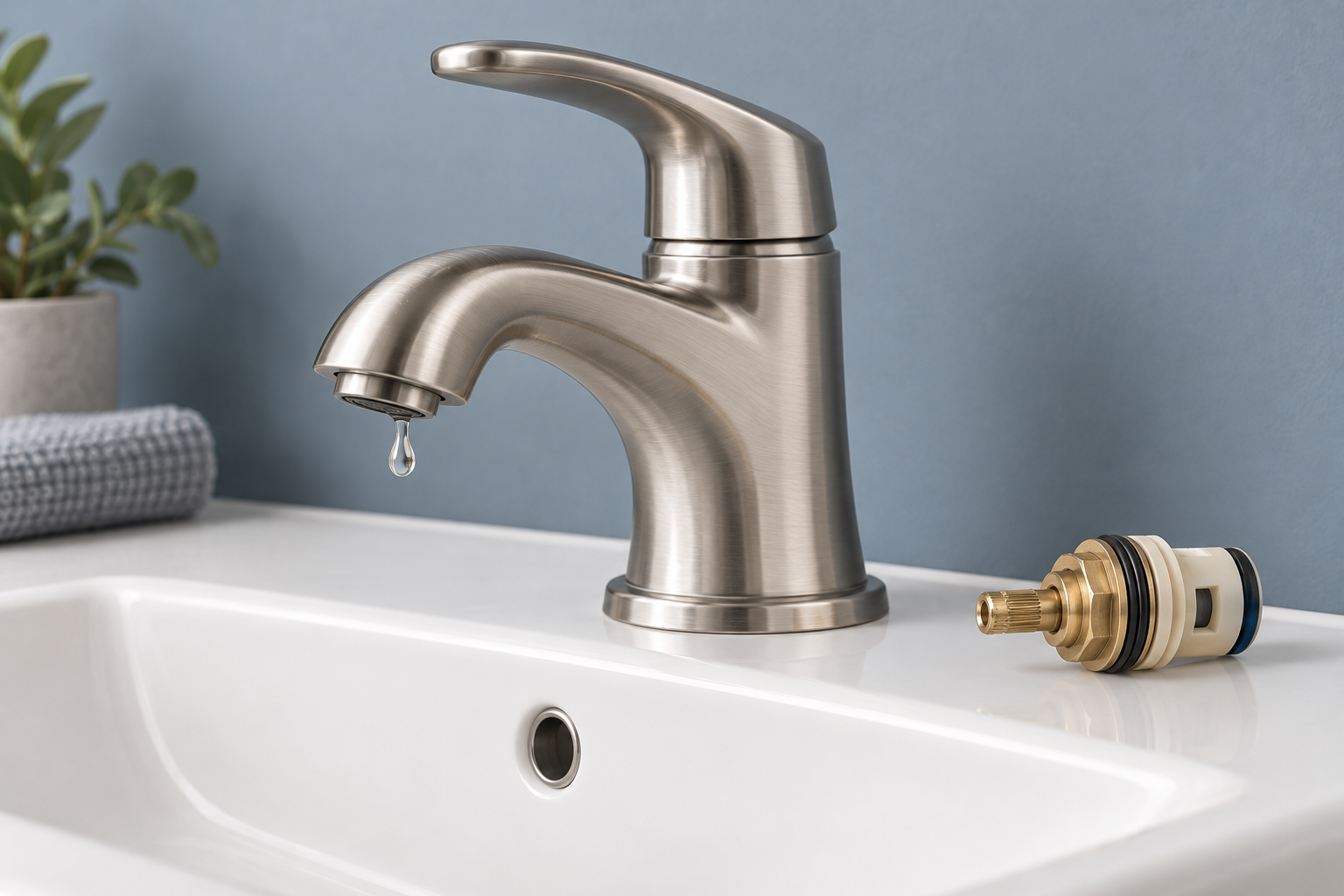
A dripping faucet wastes water and drives up your bill. Most leaks come from worn washers, O-rings, or valve seats. Some are quick fixes, but others require disassembly and parts you may not have on hand.
If your toilet keeps running after you flush, it is usually a flapper valve or fill valve issue. Left alone, a running toilet can waste hundreds of gallons a month.
This can be caused by mineral buildup in pipes, a partially closed valve, a failing pressure regulator, or leaks you have not found yet. Sometimes it is isolated to one fixture. Other times it affects the whole house.
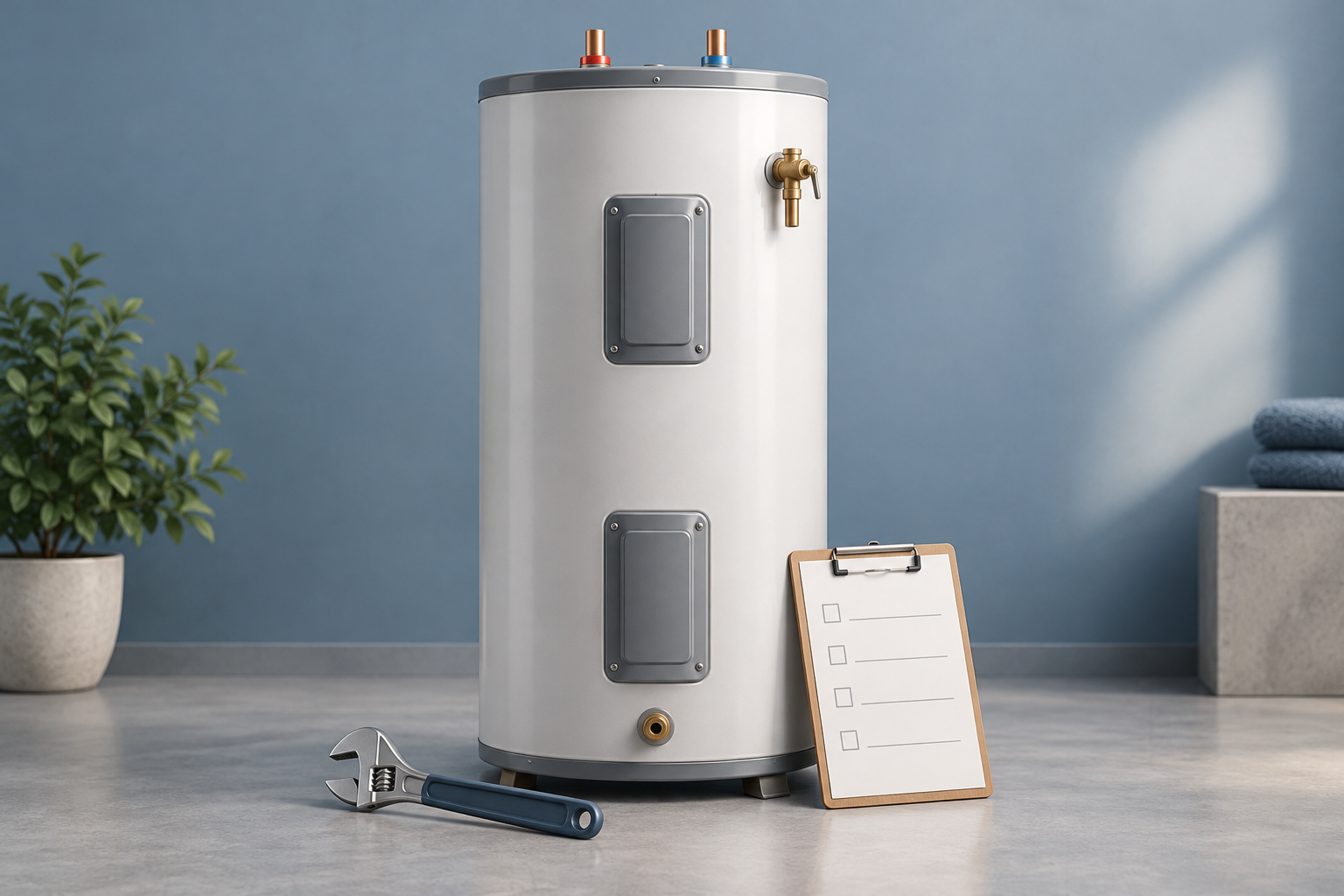
No hot water, rusty water, strange noises, or leaks around the tank are signs your water heater needs attention. Sediment buildup, a failing heating element, or a worn-out tank are common causes.
Leaks can happen at joints, inside walls, or under slabs. You might notice water stains, soft spots in floors or ceilings, mold growth, or a sudden spike in your water bill. These need fast attention before they cause structural damage.
The principles are the same, but the scale and code requirements are not. Residential systems are smaller, use standard fixtures, and are designed for a few people using water at predictable times. Commercial plumbing handles higher demand, larger pipe sizes, more complex drainage, and stricter inspections.
That is why residential plumbers focus on things like water heater replacements, fixture repairs, sewer line issues, and remodeling work. The tools, materials, and know-how are tuned for homes, not office buildings or restaurants.
You do not need to be a plumber to live in your house, but a little knowledge goes a long way.
Seriously. Find it now. If a pipe bursts or a water heater starts leaking, turning off that valve fast can be the difference between a service call and a full-blown disaster.
A slow drain today can be a backed-up sewer line next month. A small drip under the sink can rot out your cabinet and subfloor. Catching things early saves money and headaches.
Changing out a showerhead or tightening a loose faucet handle? Go for it. Replacing a toilet, repiping a bathroom, or diagnosing why your water pressure dropped overnight? Call someone who does this for a living. DIY plumbing mistakes often cost more to fix than the original problem would have.
Flushing your water heater once a year, checking for leaks under sinks, and keeping an eye on your water bill can catch issues before they turn into emergencies. A little attention pays off.
If you are dealing with any of these, it is time to get help:
Licensed plumbers have the tools, training, and code knowledge to fix things right the first time. We also know what to look for that homeowners usually miss.
Residential plumbing is the backbone of your home. It brings in clean water, removes waste, and keeps your daily routine running. When something goes wrong, it affects everything from cooking and cleaning to showers and laundry. Understanding how the system works and knowing when to call in help can save you time, money, and a lot of stress. If you are in the Maryville area and need a hand with any plumbing issue, we are here to make it right.