What Happens During a Whole-House Repipe? A Homeowner Preparation Guide
October 8, 2026
July 10, 2026
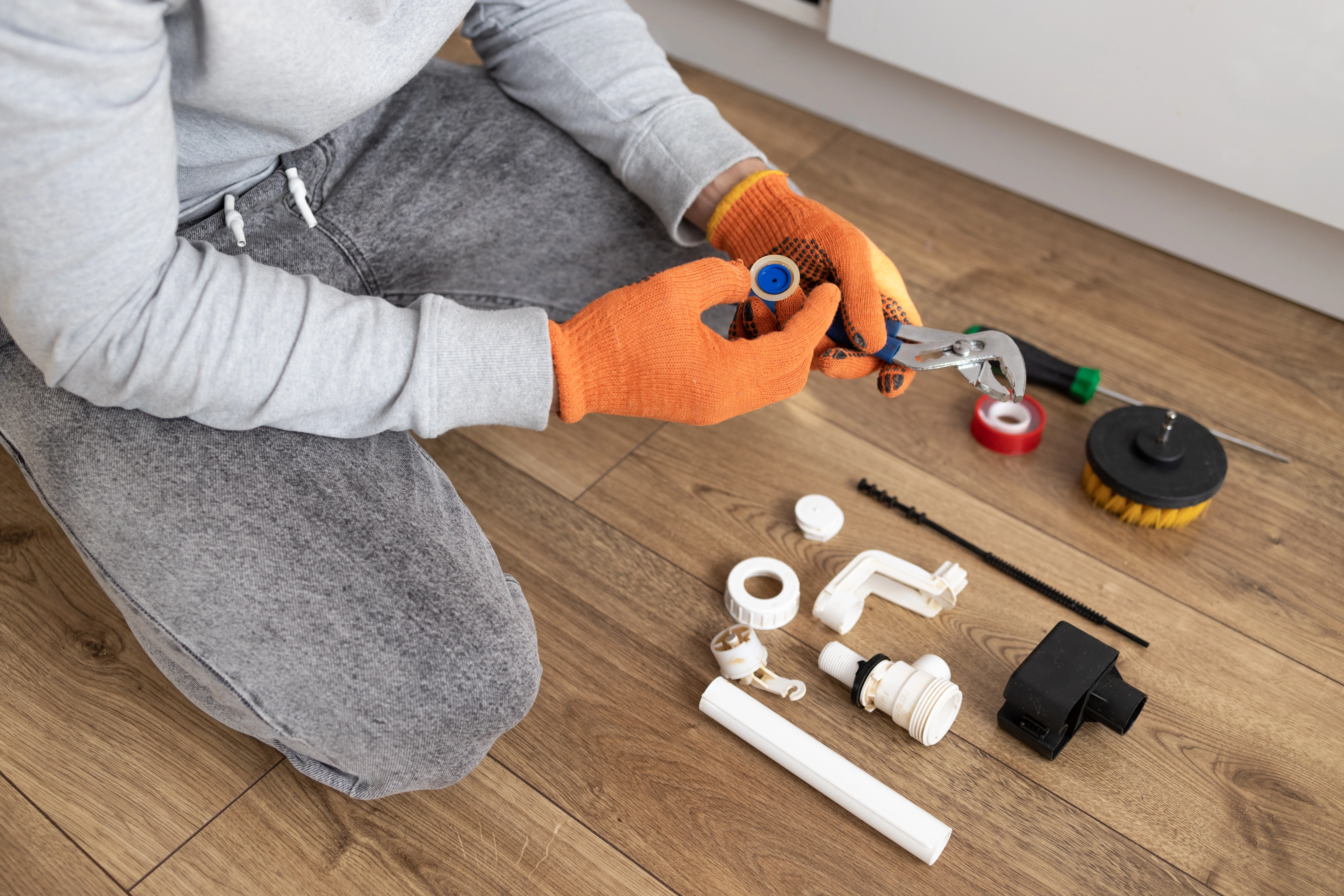
Let me be blunt: if you can't handle getting dirty, sweating through your shirt, or squeezing into spaces that weren't designed for humans, residential plumbing isn't for you.
Your knees, back, and shoulders take a beating over the years. Most plumbers I know have some kind of joint issue by the time they're 50. You learn to lift smart, use the right tools, and pace yourself, but the wear adds up.
You're going to deal with sewage. Not every day, but enough that it stops bothering you after a while. You'll get soaked fixing a burst pipe. You'll work in flooded basements. You'll find things in drains you wish you hadn't.
This isn't office work. You're not going to stay clean, and some days the job is just plain gross.
People think plumbing is all wrenches and pipes, but half the job is problem solving under pressure.
Homeowners usually can't tell you exactly what's wrong. They just know the toilet won't flush or there's water under the sink. You have to figure out the real problem, which might not be obvious.
You're running through possibilities in your head, testing theories, and sometimes tearing into a wall only to find the problem is somewhere else entirely.
Once you know what's wrong, you have to explain it to someone who doesn't speak plumber. You need to give them options, cost estimates, and help them understand what happens if they don't fix it now.
Some folks get it right away. Others push back, want a cheaper solution, or don't believe the problem is as serious as you're saying. You have to stay patient and professional even when you're explaining the same thing for the third time.
You don't just pick up a wrench and call yourself a plumber. In Tennessee and most other states, you need formal training and licensing.
Even after you're licensed, you're still learning. New products come out, codes change, and every house teaches you something. I've been doing this for years and I still run into situations I haven't seen before.
Being good with tools isn't enough. You also need to understand building codes, know how to read blueprints, manage your time across multiple jobs, keep your truck stocked, and run the business side if you ever go out on your own.
The best plumbers I know can do all of that and still explain to a homeowner why their 40-year-old galvanized pipes are the real problem, not the leaky faucet they called about.
Residential plumbing doesn't follow a 9-to-5 schedule. Pipes don't care that it's Saturday or that you just sat down to dinner.
If you work for a good company, they try to balance the load and rotate the emergency schedule. But you're still going to miss some family events and work some holidays. That's part of the deal.
The upside is that skilled residential plumbers make good money, especially once you have a few years under your belt. The work is steady because people always need plumbers. And there's real satisfaction when you fix a problem that was stressing someone out or ruining their day.
I've had homeowners almost cry with relief when we got their heat back on in the middle of winter or stopped a leak that was flooding their house. That part feels good.
Depends on what you value. If you want a desk job with clean hands and predictable hours, this isn't it. If you want a trade that pays well, keeps you moving, and gives you new challenges every day, plumbing is one of the best options out there.
Not everyone who starts in plumbing sticks with it. The ones who do well usually have a few things in common.
You also need to be dependable. Homeowners are trusting you in their house, often when they're stressed or vulnerable. If you show up on time, explain what you're doing, and leave the place clean, that matters as much as your technical skills.
Being a residential plumber is hard, no question. It's physically demanding, mentally challenging, and requires years of training and experience to do well. You're going to work in uncomfortable conditions, deal with emergencies at inconvenient times, and solve problems that don't have obvious answers.
But it's also stable, well-paying work that gives you real independence and variety. If you can handle the tough parts and take pride in solving problems that matter to people, it's one of the best trades you can get into.
If you're a homeowner reading this and wondering what your plumber goes through, now you know. And if you need help with a plumbing problem in the Maryville area, we handle everything from routine repairs to emergency calls. We've been doing this long enough to know what we're doing, and we'll explain everything in plain English.